The call came on a Thursday afternoon: “There’s a crack in our living room wall that wasn’t there last month, and our front door doesn’t close right anymore.” Classic foundation settlement signs. When we arrived at this Point Loma home the next morning, the homeowner was visibly stressed—she’d lived in this house for twenty years and raised three kids here. The thought of major structural issues was terrifying.
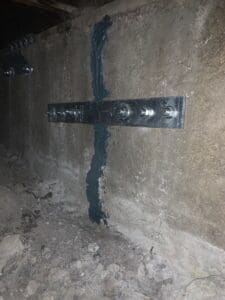
After a thorough inspection, we found what we suspected: the original foundation had settled unevenly over time, likely due to soil erosion and inadequate drainage on that side of the house. The good news? We caught it before it became catastrophic.
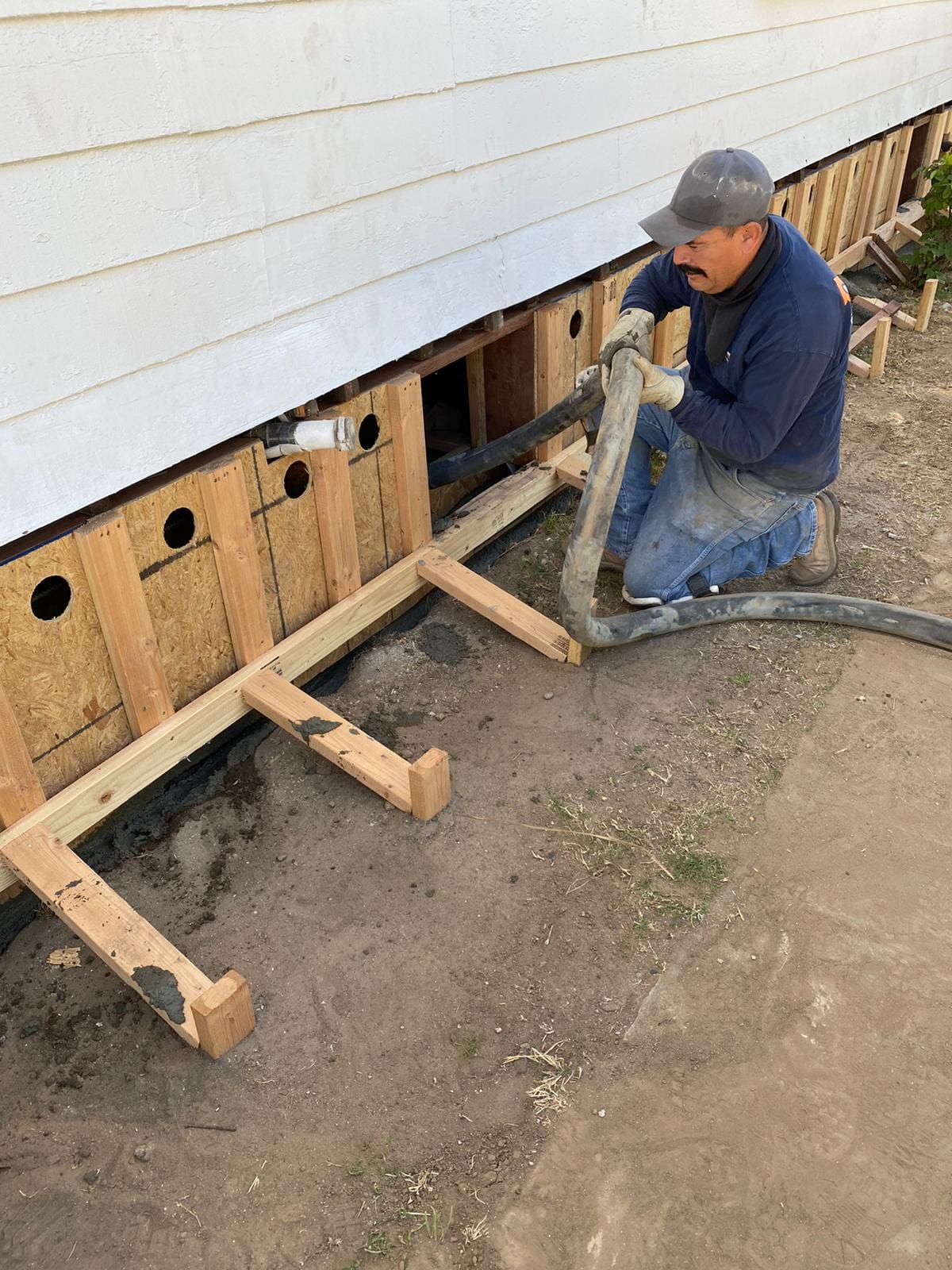
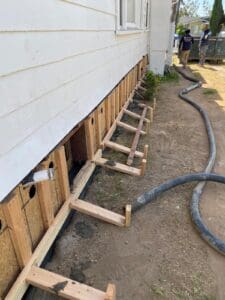
Our approach was methodical. First, we excavated along the affected exterior wall, carefully exposing the existing foundation. You can see in the photo how we’ve installed temporary support bracing—those wooden diagonal supports aren’t just for show; they’re holding the house stable while we work underneath it. This is critical: you never compromise the structure’s integrity during repair.
We then poured new concrete footings, properly reinforced with rebar, extending them deeper into stable soil. The key is going below the frost line and ensuring adequate width to distribute the load. We also installed a French drain system along that wall to prevent future water accumulation—often the real culprit in foundation problems.
The technical work took five days. The relief on the homeowner’s face when we showed her the completed repair? Priceless. “I can sleep now,” she told us.
Two months later, that crack in the living room wall is history, the door closes perfectly, and the house is solid. Foundation work isn’t glamorous, but it’s essential. It’s literally what everything else rests on.